Art, awe and Play- 5 Neuroarts Insights that Inspire Wonder
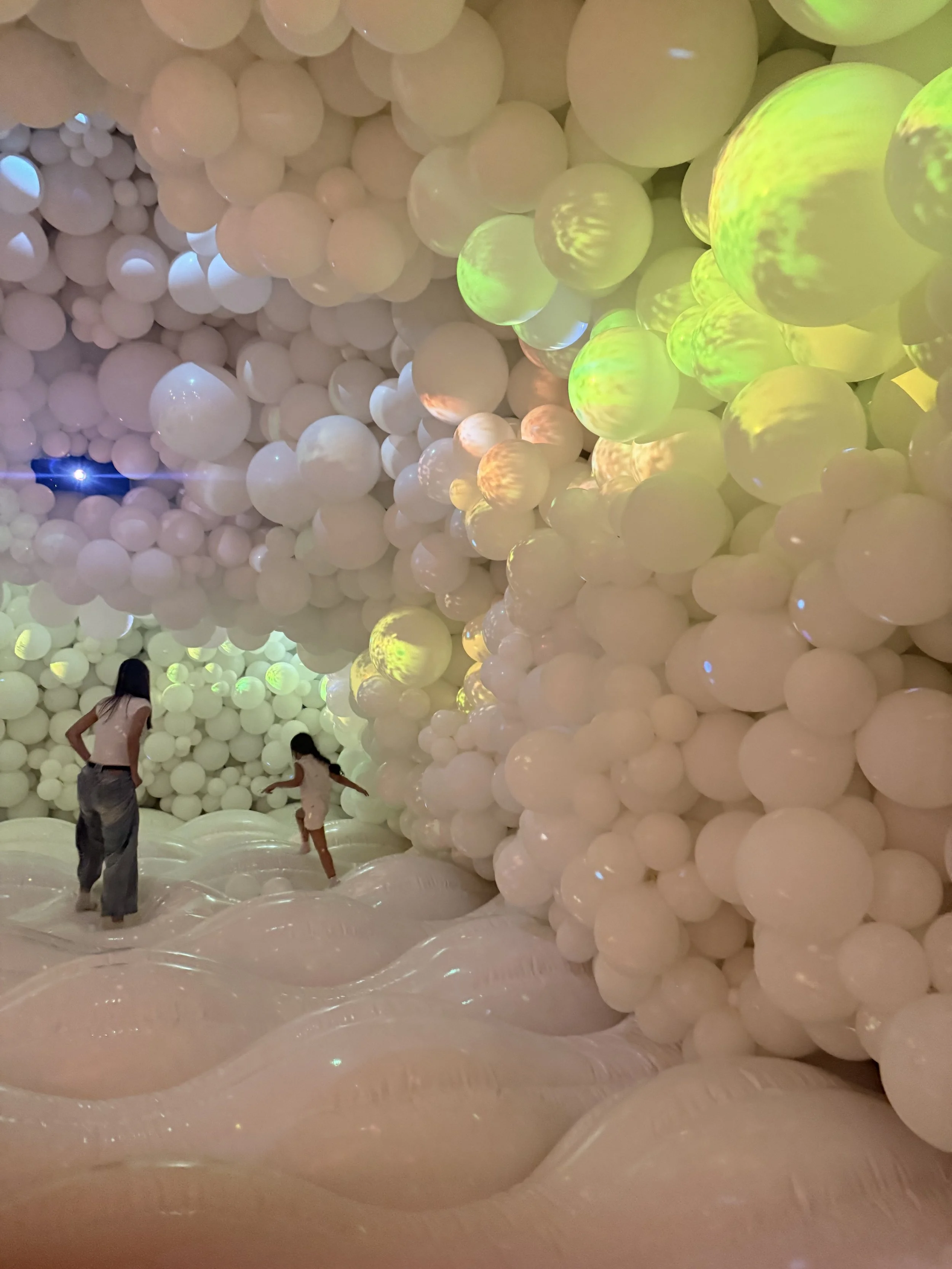
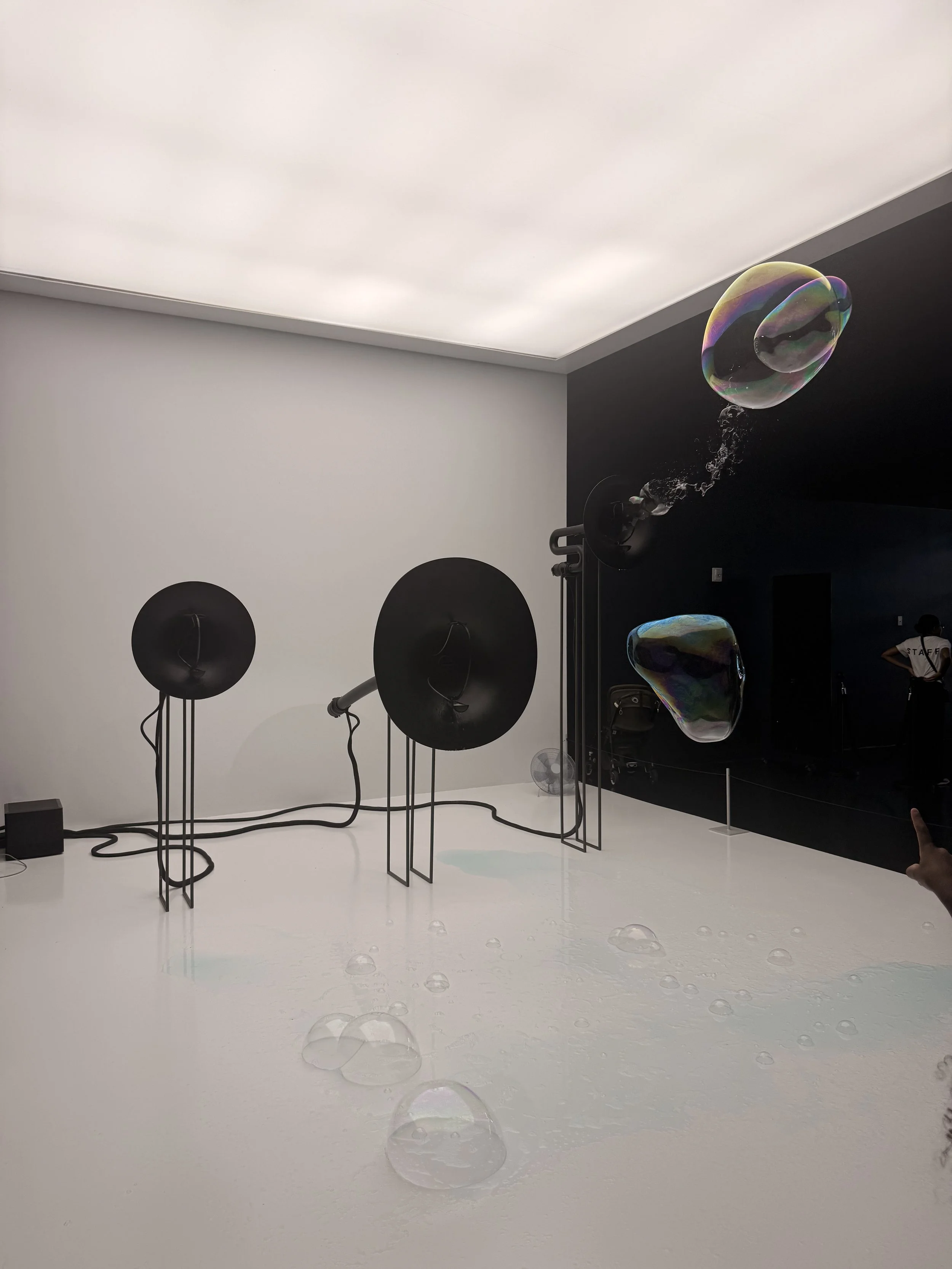
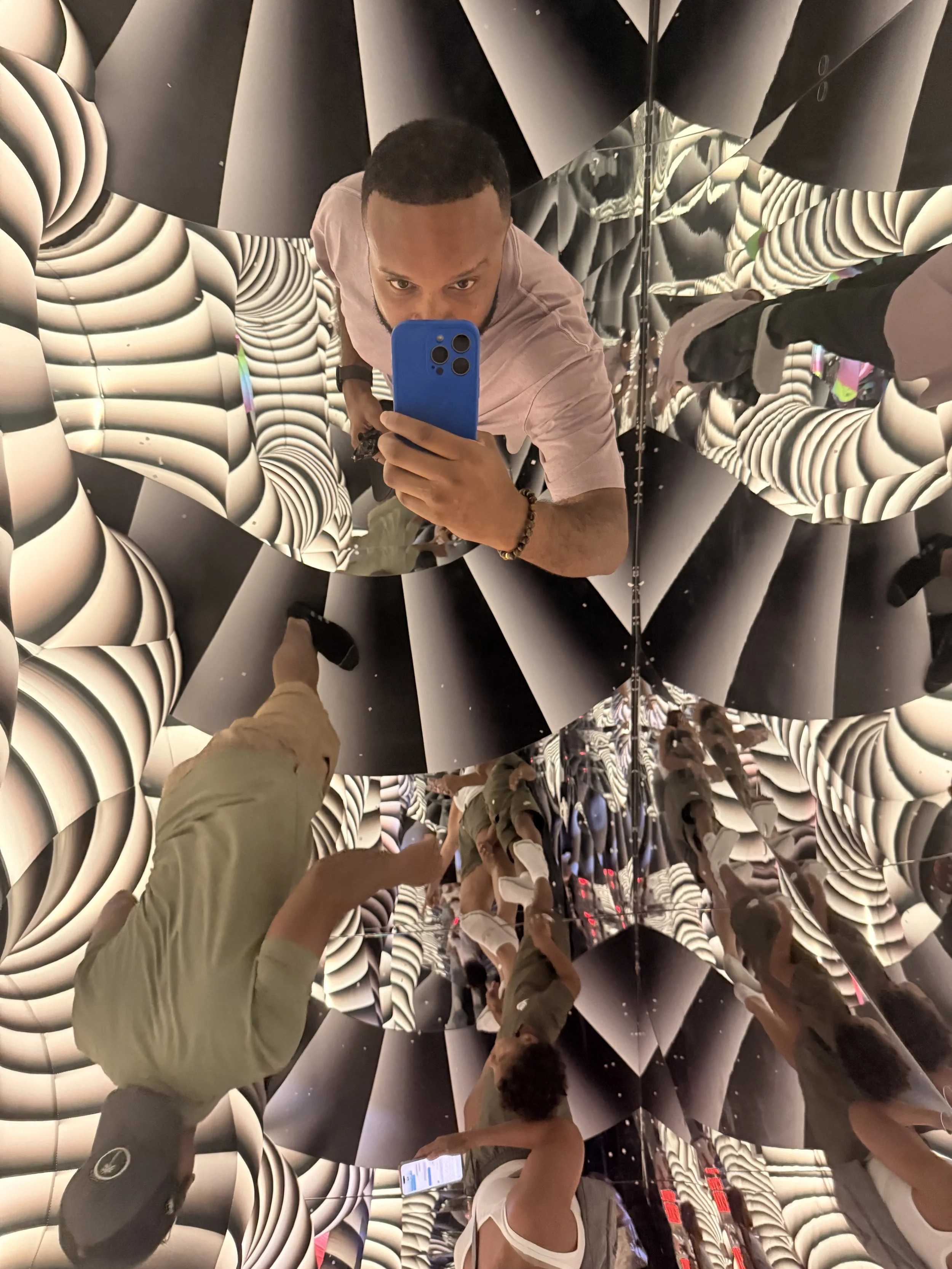
1. Awe can pull us outside of ourselves
Researchers studying more than 2,000 people found that awe can produce what they call the “small self”—temporarily shifting attention away from our individual concerns and toward the larger world around us. Awe was also associated with greater generosity and prosocial behavior.
My takeaway: Sometimes wonder gives our minds somewhere else to go.
Read the study: Awe, the Small Self, and Prosocial Behavior
2. We can actually seek out more awe
In an eight-week study, older adults who were encouraged to seek awe during weekly walks reported increasing positive emotions and decreasing daily distress compared with a control walking group.
My takeaway: Awe doesn’t have to be accidental. Art, music, nature and unfamiliar environments can give us opportunities to intentionally encounter wonder.
3. Play still matters when we’re adults
A 2026 study examined 125 memorable playful experiences from people representing 42 national backgrounds. Four themes repeatedly connected play with well-being: positive emotion, stress reduction, social bonding and learning. Because this was qualitative research, it shows how people experienced the value of play rather than proving that play causes these outcomes.
My takeaway: Maybe feeling like a kid again isn’t as frivolous as it sounds.
4. Experiencing wonder together can create connection
Researchers measuring parents and their 3- to 4-year-old children found patterns of brain-to-brain synchrony during shared experiences, including free play. Communication and joint attention were among the factors associated with this synchronization.
My takeaway: “I felt like a kid again, while being there with my kid” may be more important than I originally realized. Shared play isn’t simply happening in the same room; we’re interacting, attending and responding together.
Read the parent-child synchrony study
5. Art environments may help restore our attention
A 2025 study compared visiting an art museum with taking an urban walk. Museum visitors reported greater restoration and demonstrated greater improvement in attentional control afterward. The researchers did not find museum-specific improvements in stress, working memory or emotion, which makes the attention finding particularly interesting.
My takeaway: Maybe one reason immersive art feels so different from everyday life is that it asks us to pay attention differently.
The “Palette of Health” takeaway
None of this means a trip to the Balloon Museum is a medical treatment.
But it does suggest something worth paying attention to:
Awe can shift our perspective. Play can connect us. Shared experiences can bring us closer. Art can redirect our attention. And our environments can help create the conditions for all four.
Maybe that’s why, a month later, I’m still thinking about a house full of balloons.
