The Art of Listening: 5 Neuroarts Insights on Sound, Attention, and Well-Being
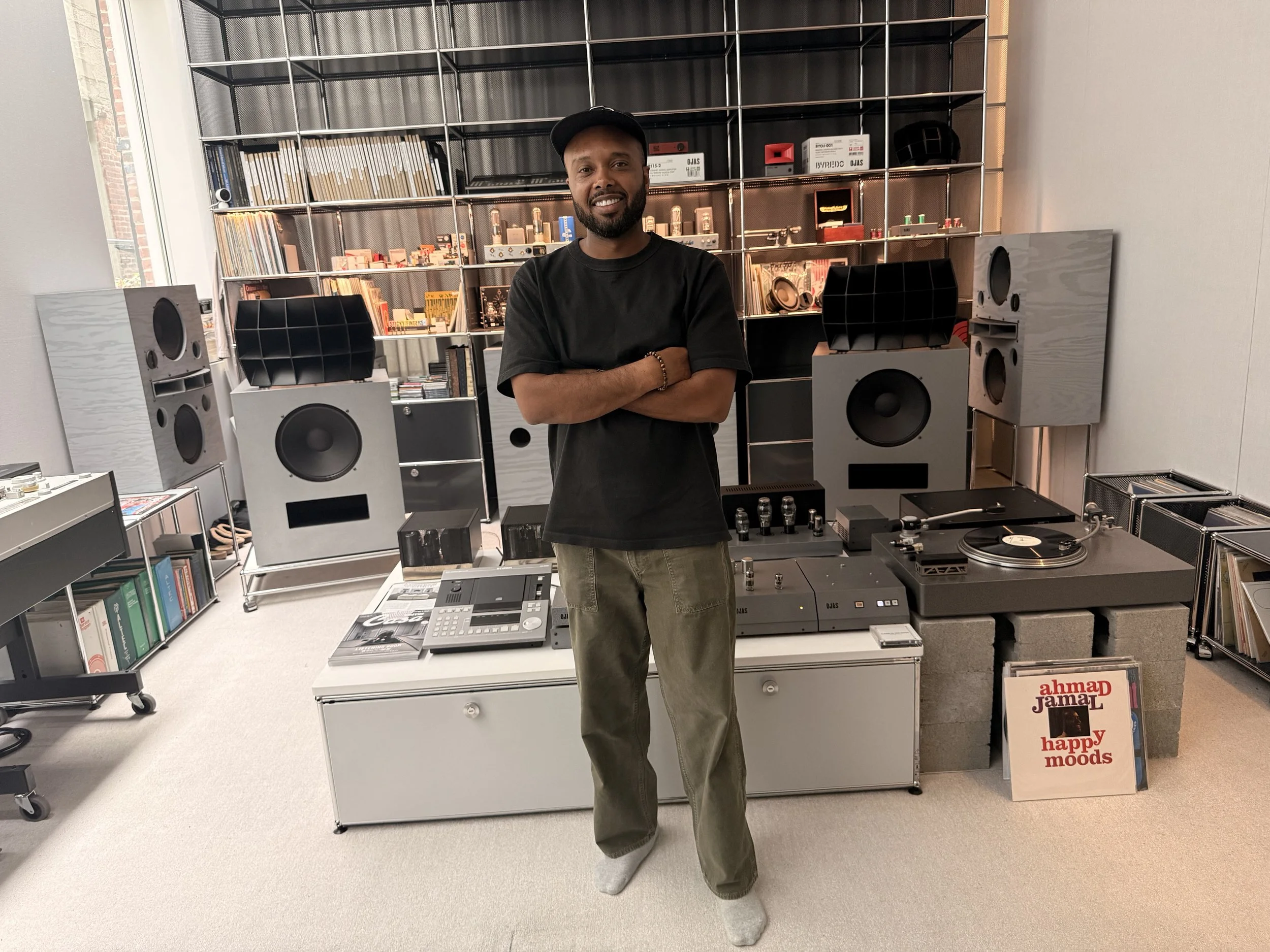
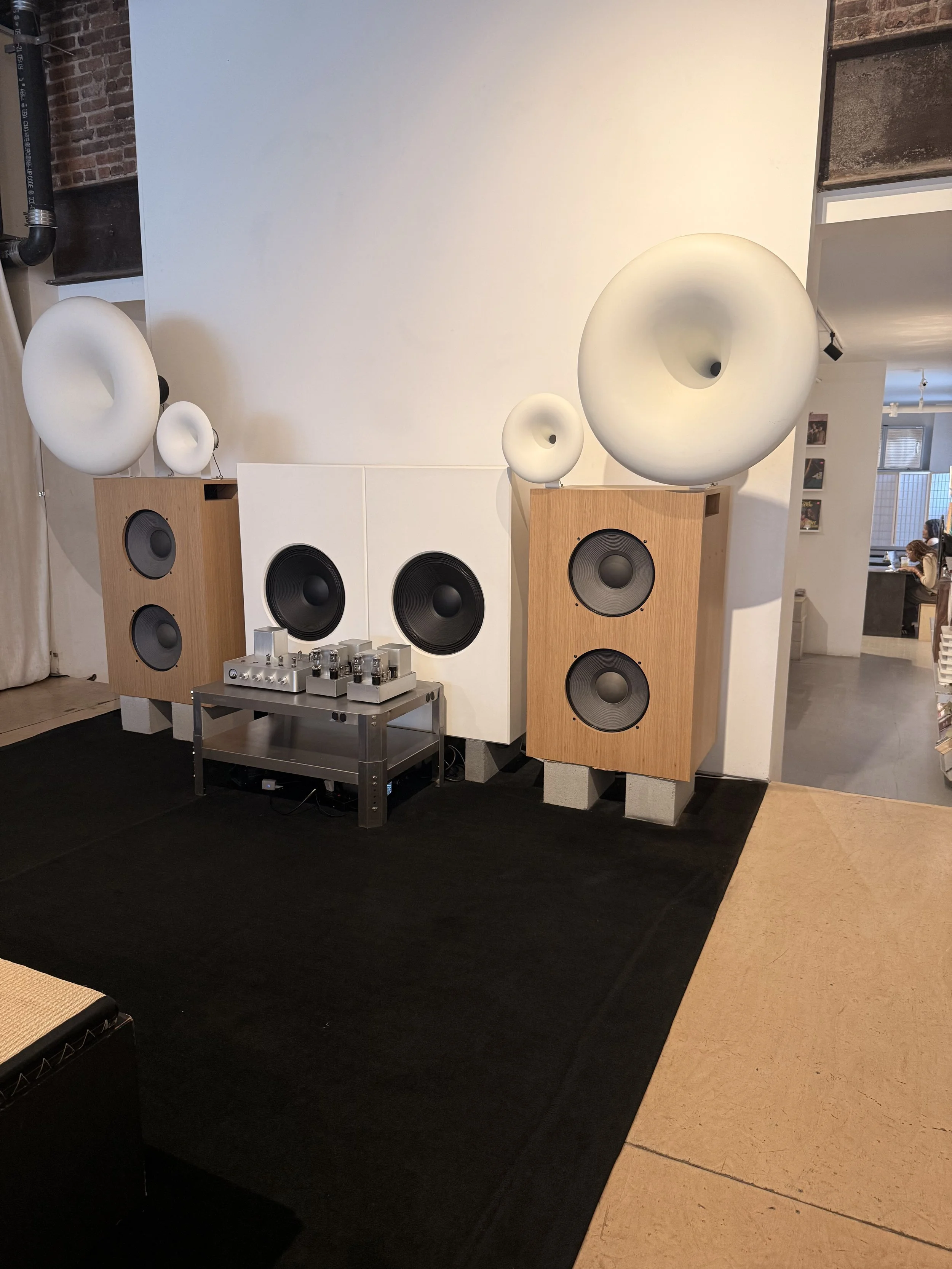
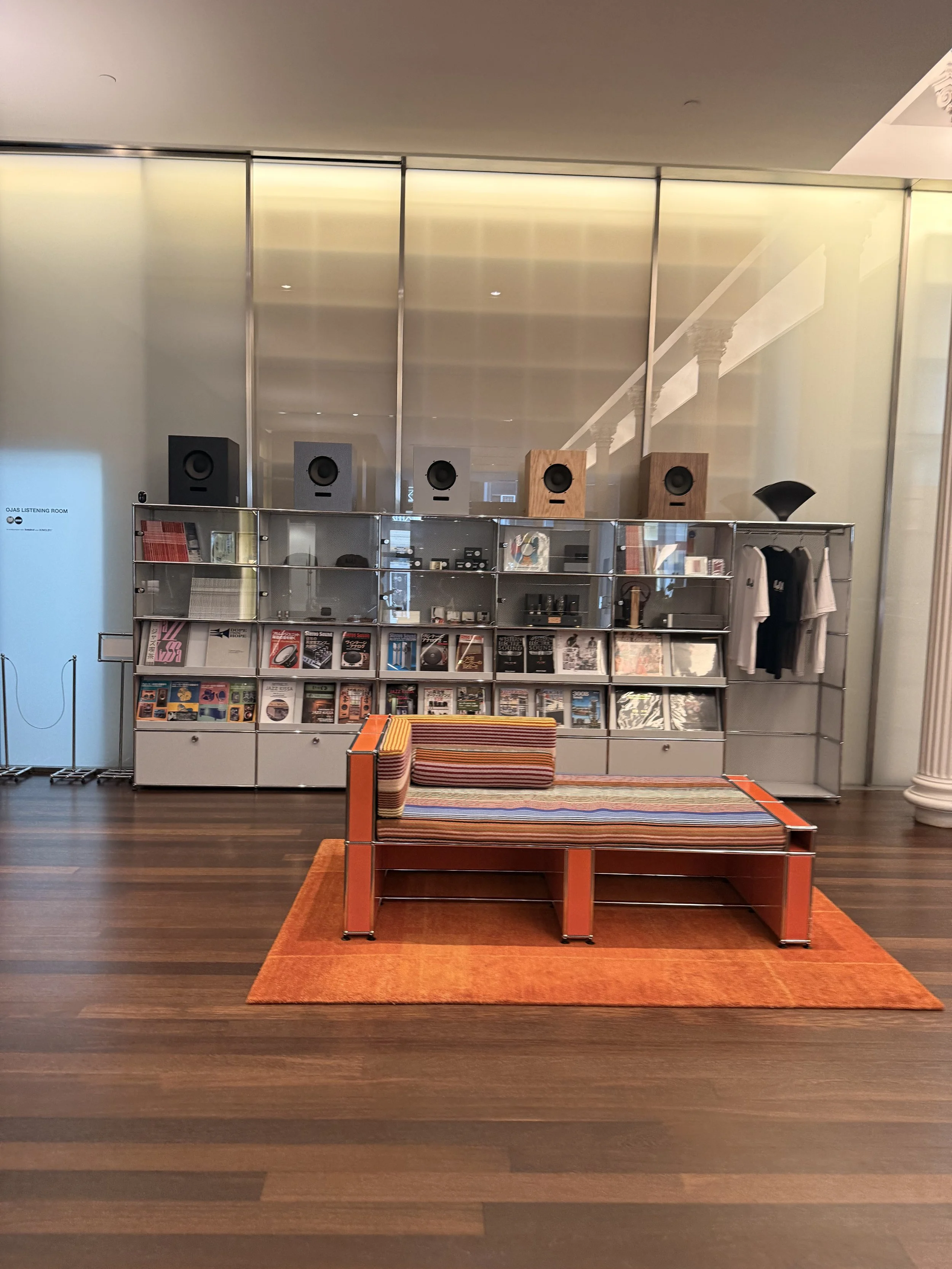
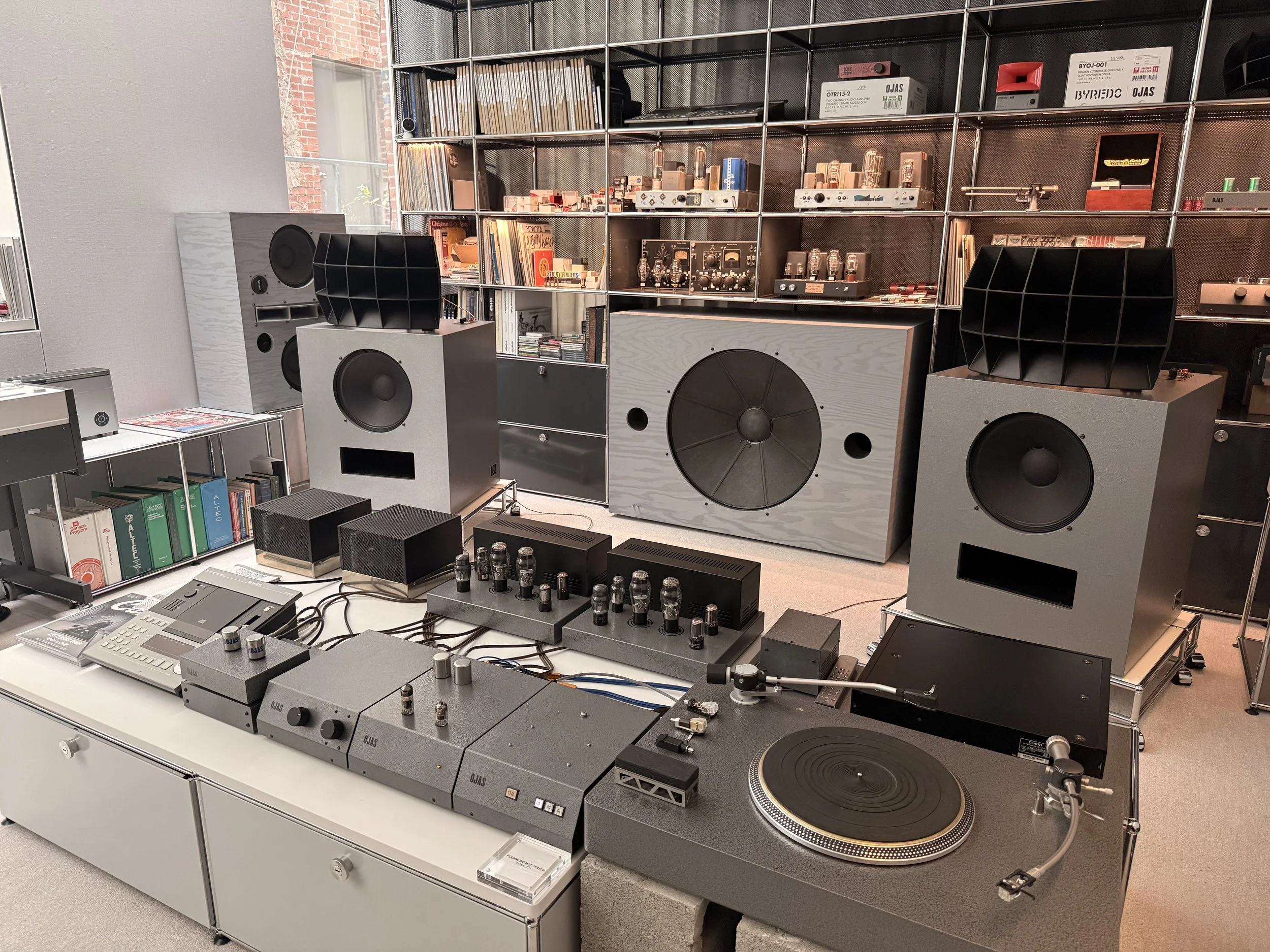
Earlier this year, I explored the relationship between sound and well-being in Palette of Health, in looking at intentional listening, interoception, vibro-acoustics, and the emerging science connecting sound to our health.
Recently, visits to Silence Please and the OJAS Listening Room at USM gave me a reason to revisit these subjects.
Both spaces approach sound differently, but share a simple idea: listening deserves our attention.
Go Deeper: Palette of Health, Issue 10
This field note builds on Palette of Health Weekly, Issue 10, where I took a deeper look at sound, the nervous system, vibroacoustics, and well-being.
01. Listening Is an Active Experience
We hear constantly. Intentional listening is different.
When we give sound our full attention, we begin noticing rhythm, texture, vibration, space, and even silence. Rather than simply receiving sound, our brains actively engage with patterns, expectations, memories, and emotions.
The insight: Listening can become a practice of attention, by transforming sound from background noise into an aesthetic experience.
02. Sound Can Be Felt, Not Just Heard
Bass provides the most obvious example: sometimes we don't just hear music…we feel it.
Research into vibroacoustics explores this relationship between sound, physical vibration, and the body. In a dedicated listening environment, that connection becomes particularly noticeable.
The insight: Sound is multisensory. The body can be part of the artistic experience, not simply a container for the brain experiencing it.
03. Sound Can Create Awe
A song can give us chills, evoke a memory, or unexpectedly stop us in our tracks.
Neuroaesthetics helps us understand these responses as part of a broader family of aesthetic emotions; including awe, wonder, pleasure, and emotional resonance.
At both listening spaces, removing distraction created room for those moments to emerge.
The insight: Deep listening can create space for awe, memory, emotion, and reflection.
04. The Environment Is Part of the Art
This may have been my biggest takeaway.
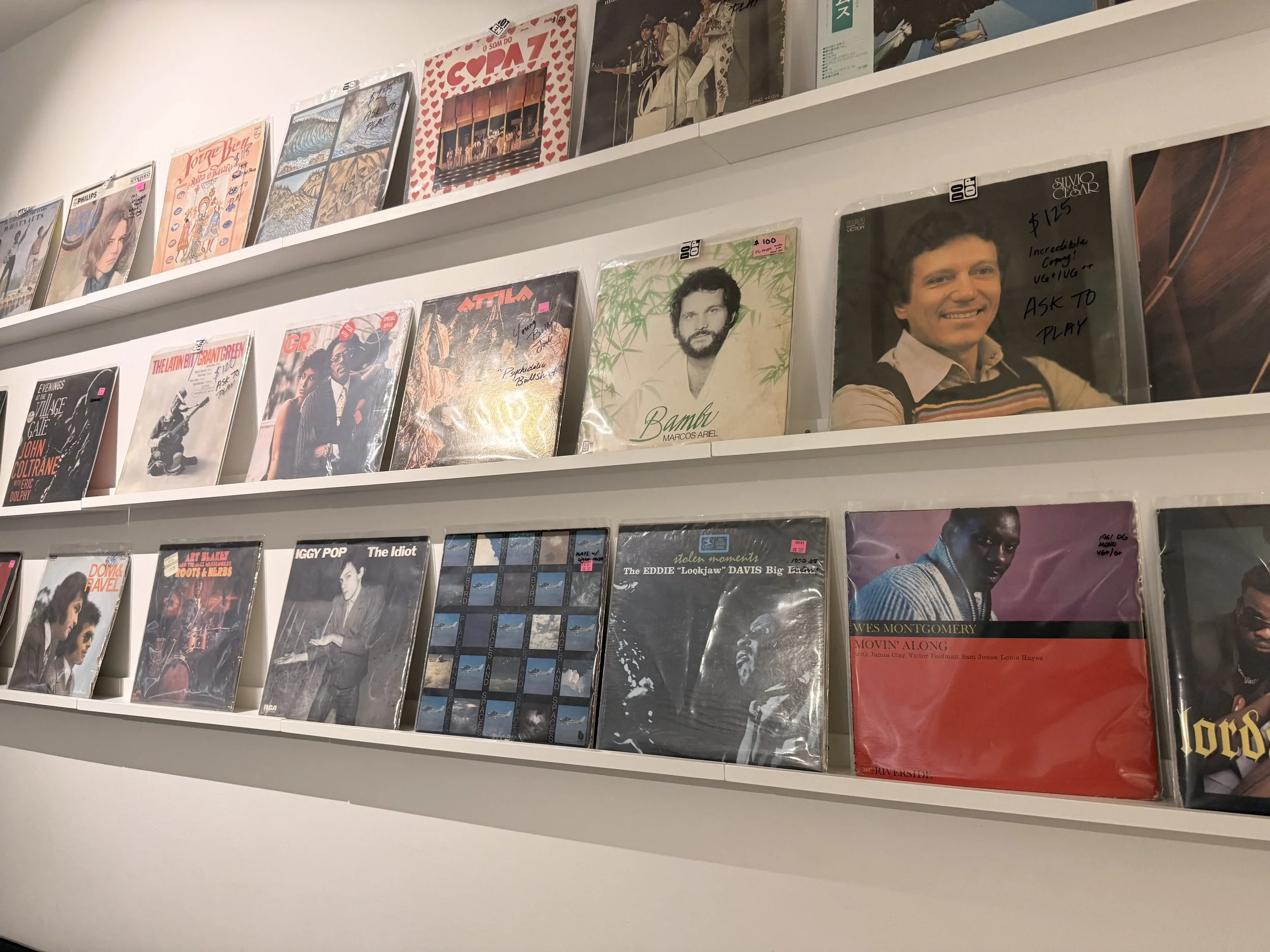
The speakers. The acoustics. The furniture. The lighting. The records. The people around you.
All of it influences how you experience sound.
OJAS and Silence Please made me consider whether the environment isn't simply where we experience art, but actually part of the experience itself.
The insight: Designing spaces that encourage us to slow down and pay attention may change how deeply we engage with art.

05. Music Can Have Value Beyond the Listening Room
Neuroarts is increasingly examining how artistic engagement might contribute to health and well-being.
One NeuroArts Blueprint economic analysis, for example, estimated $2.40 in quality-of-life value for every $1 invested in music engagement for people living with Alzheimer's disease and their caregivers.
That's a specific application, but it raises a much bigger question:
How might music and other cultural experiences become resources for health, care, and community well-being?
The insight: The value of listening may extend beyond enjoyment—and into how we think about arts participation as part of healthier communities.
From Hearing to Listening
My visits to OJAS and Silence Please left me thinking less about speakers and more about attention.
Most of the time, music accompanies something else: commuting, exercising, eating, working, scrolling.
Listening rooms reverse that relationship.
The music isn't supporting the activity. Listening is the activity.
And maybe that's the larger neuroarts lesson.
The impact of art may not reside solely in the song, painting, or performance. It may also depend on the conditions we create around it—the environment, our attention, and the time we allow ourselves to experience it.
What might happen if we designed more spaces that simply gave people permission to slow down and listen?
Continue Exploring
→ Palette of Health Weekly, Issue 10
A deeper exploration of intentional listening, interoception, vibroacoustics, and the emerging science connecting sound and well-being.
→ Kinda Studios: Sonic Infrastructures
Research and ideas exploring the relationship between sound, space, health, and human experience.
